
A cycling accident, a fall on the trail, broken glass: arterial bleeding can take a life in less than three minutes. Health professionals know it: within this window, only a well-applied tourniquet makes the difference. The windlass emergency tourniquet is the tool every first aid kit worthy of the name should contain.
Why a tourniquet in your gear
Manual compressions tire and are not always enough on a limb. The metal windlass tourniquet mechanically and durably compresses the artery, freeing your hands for other rescue gestures. It is the standard of tactical kits (IFAK) and rescue teams.
How to use it
Place the tourniquet 5cm above the wound, tighten the strap, then turn the windlass until bleeding fully stops. Lock the windlass and note the application time: crucial information for rescuers. Regular practice on yourself and on a dummy is essential to be effective on the day.
1. Windlass material
A reinforced metal windlass ensures precise and durable tightening.
2. Strap width
A wide strap (3.8cm) spreads pressure and limits tissue damage.
3. Locking system
The windlass must stay locked once tightened, even while moving.
4. Resistance to conditions
The tourniquet must resist blood, water and cold.
5. Multiple units
Bleeding on two limbs requires two tourniquets: 2 or 4-piece packs are relevant.
Depending on your use
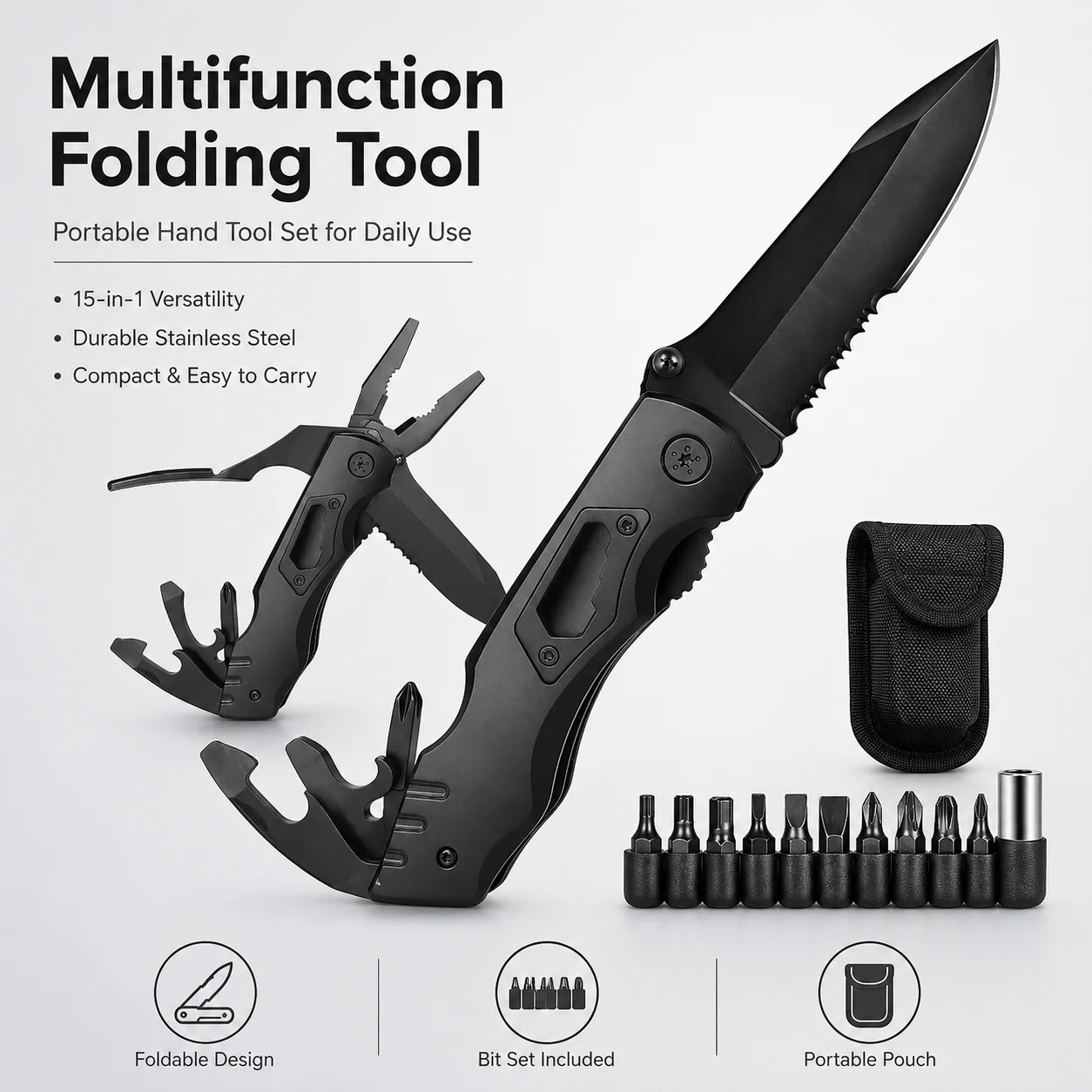
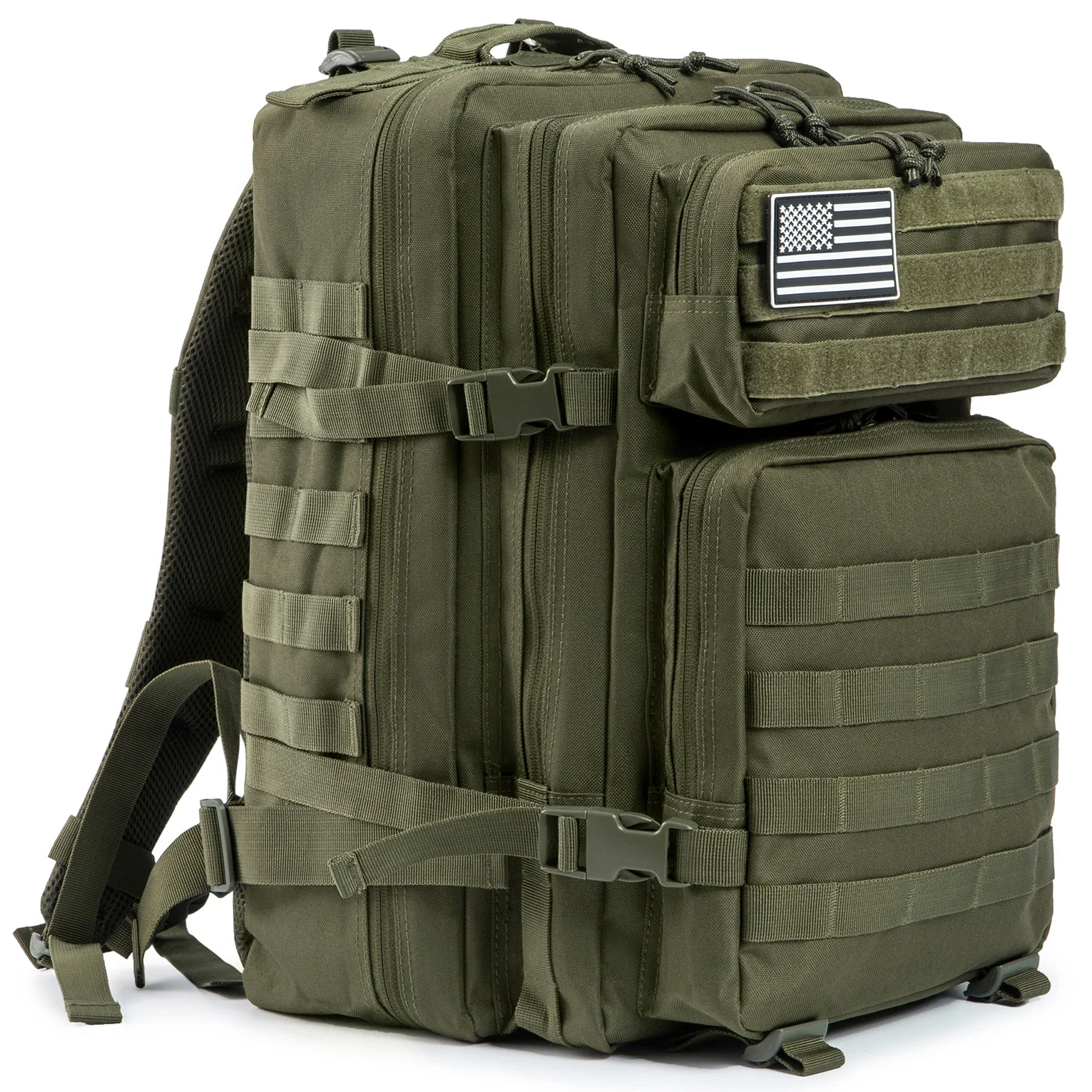
Hiker: one tourniquet in the pocket, another in the kit. Driver: within reach, with a Multi-tool knife to cut clothing if needed. Prepper: integrate it into the Ultimate survival bag to cover trauma.
Mistakes to avoid
- Placing the tourniquet over a joint
- Not noting the application time
- Never practicing before needing it
- Releasing the tourniquet before rescuers arrive
FAQ
Is a tourniquet painful? Yes, but the pain is a sign of effective tightening.
Can I reuse it? Modern tourniquets are designed for multiple uses after disinfection.
Where to store it? Always accessible: pants pocket, door pouch, first aid kit.
Complete your preparedness with the RHINO RESCUE Tourniquet Reinforced Metal Windlass, Heavy Duty Emergency Compression Device for First Aid IFAK and train today.